
Seasonal marketing is one of the easiest ways to get more leads without reinventing your entire strategy. Homeowners already think about their yard in seasons. If your content lines up with what they are worried about right now, you stay relevant and trusted.
The problem is that most landscapers either post too late or post generic content that blends in with everyone else. Let’s fix that. Below is a simple, practical way to use seasonal landscaping content to attract better clients and book more work.
Why Seasonal Content Works So Well for Landscapers
Seasonal content is effective because it aligns with homeowner intent. When the weather changes, priorities change. Lawns wake up, leaves fall, irrigation gets ignored, and damage appears quickly.
When your blogs, ads, and emails speak directly to those moments, you look prepared and professional. You are no longer just another landscaper. You are the one who planned.
Pro Tip: Seasonal content is not about posting more. It is about posting smarter at the right time.
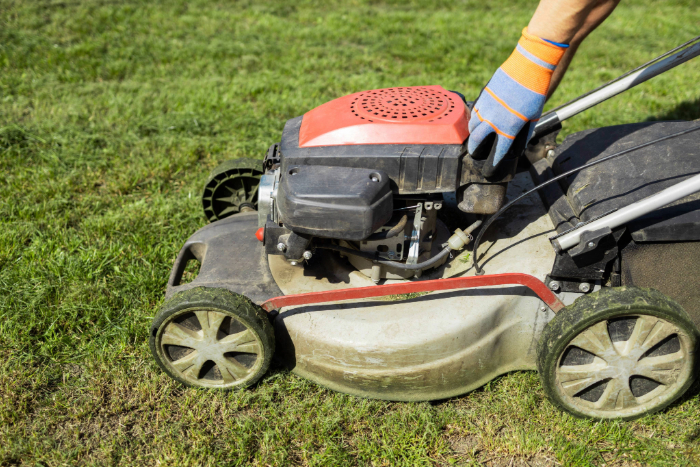
Turn Spring Cleanup Into Lead-Generating Content
Spring cleanup is one of the most searched landscaping services every year. Most businesses mention it, but very few explain it well.
Instead of saying “Spring Cleanup Available,” give homeowners clarity and structure.
Use Spring Cleanup Checklists in Blogs and Ads
A checklist instantly makes your content more useful. It also positions you as detail-oriented and trustworthy.
You can turn one checklist into multiple assets:
- A blog post explaining what spring cleanup actually includes
- A short social post highlighting common issues homeowners miss
- A paid ad offering a “free spring cleanup checklist”
Example checklist items to cover:
- Removing winter debris and dead growth
- First mow and edge of the season
- Bed cleanup and light pruning
- Early weed prevention
When homeowners see specifics, price resistance drops. They understand the value before they ever call you.
Promote Fall Prep Services Homeowners Ignore
Fall is one of the most under-marketed seasons in landscaping. That is a mistake. Fall work protects lawns and sets you up for stronger spring results.
Educate, Don’t Assume They Know
Most homeowners do not realize what skipping fall services costs them later. Your content should explain this clearly and simply.
Topics that perform well:
- Why fall cleanups prevent lawn disease
- How missed leaf removal kills grass
- Why fall fertilization matters more than spring
Use before-and-after examples and real consequences. Keep the language practical, not dramatic.
Pro Tip: Fall content builds trust even if the homeowner waits until spring to book. They will remember who taught them.
Time Your Newsletters Around Growing Seasons
Email marketing works best when it follows the natural lawn calendar. Random newsletters get ignored. Timely ones get opened.
Match Emails to What Homeowners See Outside
If they look outside and see the problem you are talking about, you win.
Simple seasonal email ideas:
- Early spring: “Your lawn is waking up. Here’s what it needs first.”
- Early summer: “Why heat stress shows up now and how to prevent it.”
- Early fall: “The biggest lawn mistakes homeowners make before winter.”
Each email should focus on one problem and one solution. End with a clear next step, like booking an estimate or seasonal service.
Use Weather Trends to Your Advantage
Weather-based content feels personal even when it is automated. It also helps you react faster than competitors who wait too long.
Build Content Around Real Conditions
Instead of generic seasonal posts, reference what is actually happening.
- Heavy rain weeks
- Extended droughts
- Early frost warnings
- Heat waves
Examples:
- “After weeks of rain, here’s why fungus shows up.”
- “During drought conditions, mowing mistakes cost homeowners the most.”
This makes your content feel timely and local, even if your audience is broad.
Pro Tip: Save weather-based posts as templates so you can reuse them every year.
How to Turn One Seasonal Idea Into Multiple Leads
You do not need new ideas every week. You need better reuse.
One seasonal topic can become:
- One blog post
- Three social posts
- One email newsletter
- One paid ad
- One sales conversation talking point
This saves time and keeps your message consistent across platforms.
Turn Seasonal Content Into Booked Jobs
Seasonal landscaping content works when it is planned, not rushed. If your marketing feels reactive or scattered, you are leaving easy money on the table.
Start by mapping your services to the seasons homeowners care about most. Then create simple, clear content that answers their real questions before they ever call.
If you want help building a seasonal content plan that actually drives leads, now is the time to do it. The businesses that plan early win the season. The ones that wait are always playing catch-up.



0 Comments